
Is berberine bad for kidneys? The rat dose vs the capsule
Is berberine bad for kidneys? The reassurance rests on rat and lab studies. The 100 mg/kg rat dose set beside the 500 mg capsule, and why they don't scale.
Weight-loss supplements, weighed honestly
Is berberine bad for kidneys? The reassurance rests on rat and lab studies. The 100 mg/kg rat dose set beside the 500 mg capsule, and why they don't scale.
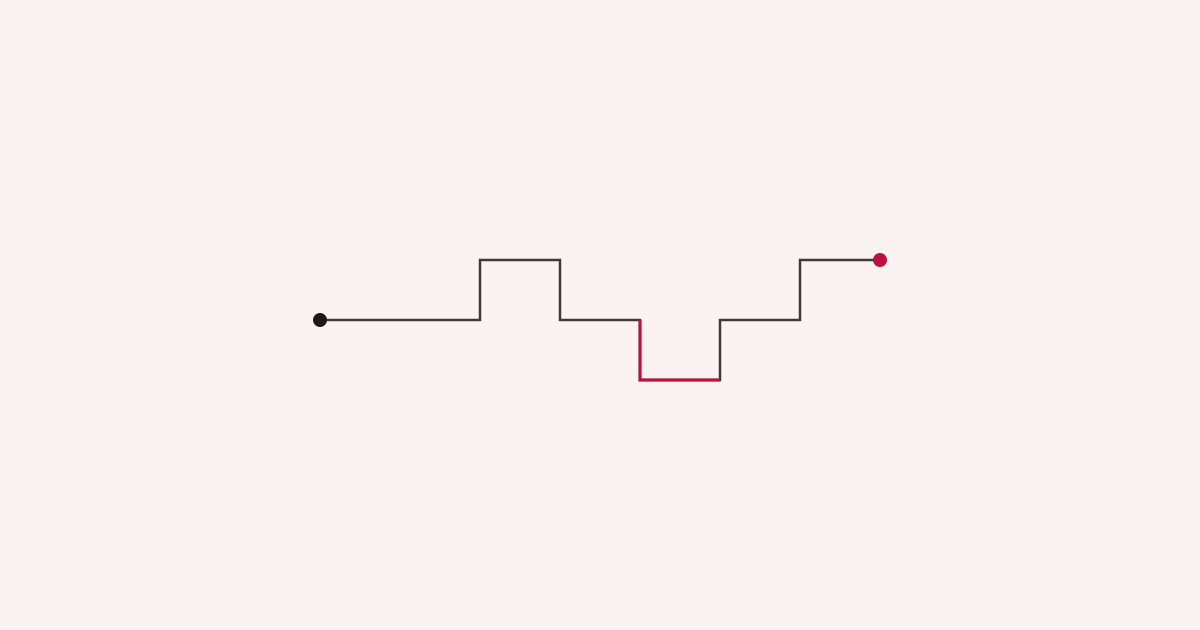
What do fat burner pills do? They are sold on five claimed actions. Eight common ingredients, set against what the NIH found on body weight.
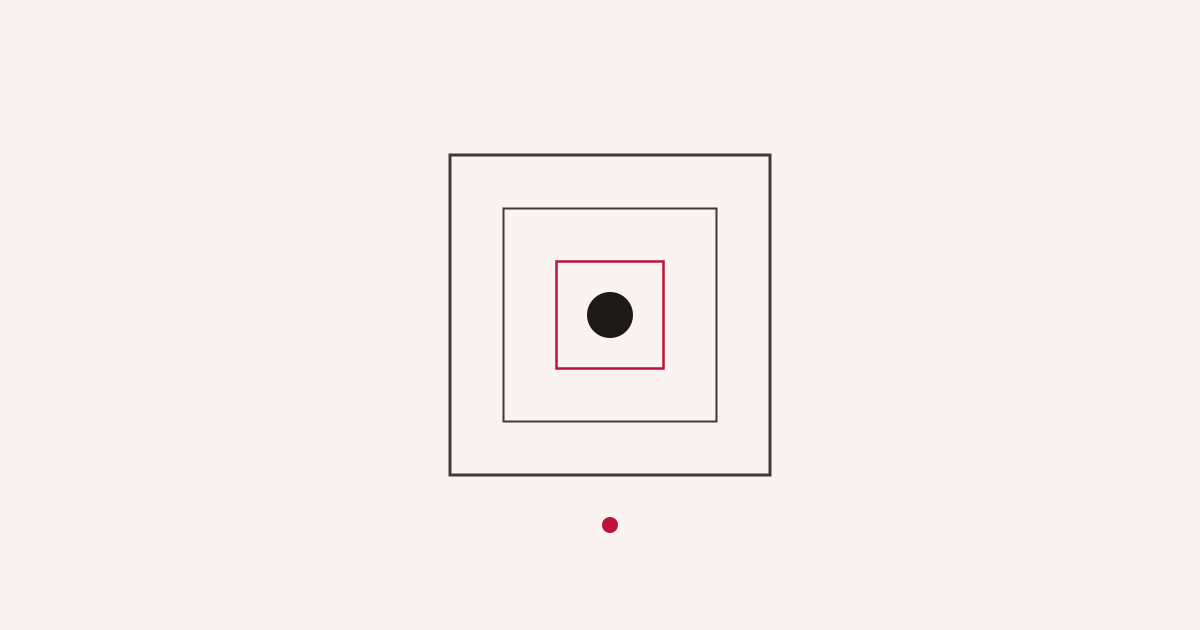
Is chromium picolinate an appetite suppressant? One 42-woman trial says maybe; NIH calls the data sparse. Trial doses set against the 35 mcg Daily Value.

Is matcha an appetite suppressant? NIH's trial summary reports weight, not hunger. One lab-tested 2 g serving set against the trial catechin doses.

What is a thermogenic fat burner? A supplement sold to raise heat output and calorie burn. Six NIH-listed ingredients, set against what each did to weight.

Is OxyShred a fat burner? It is sold as one. Its published trial gave one serving to 23 women for 180 minutes and reports calories burned, not fat lost.

Does a fat burner work? A 21-study meta-analysis found limited benefit. Five common ingredients checked against the NIH weight-loss supplement fact sheet.
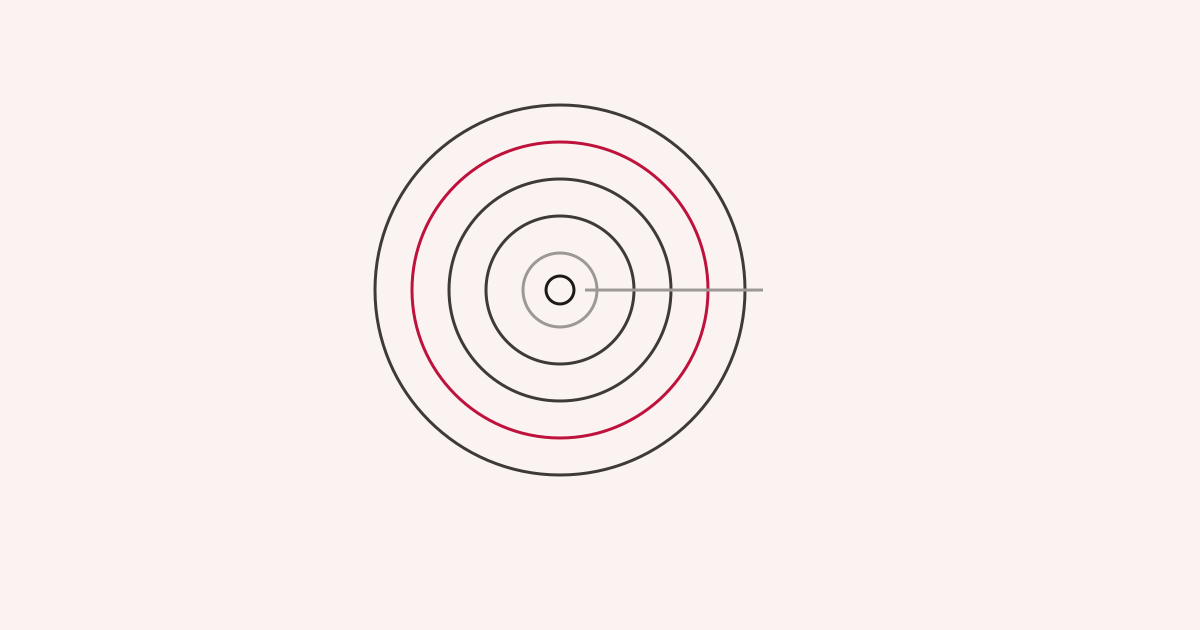
Is caffeine an appetite suppressant? Weakly and briefly, on the trials. Three doses converted to milligrams and set against the FDA's 400 mg daily figure.
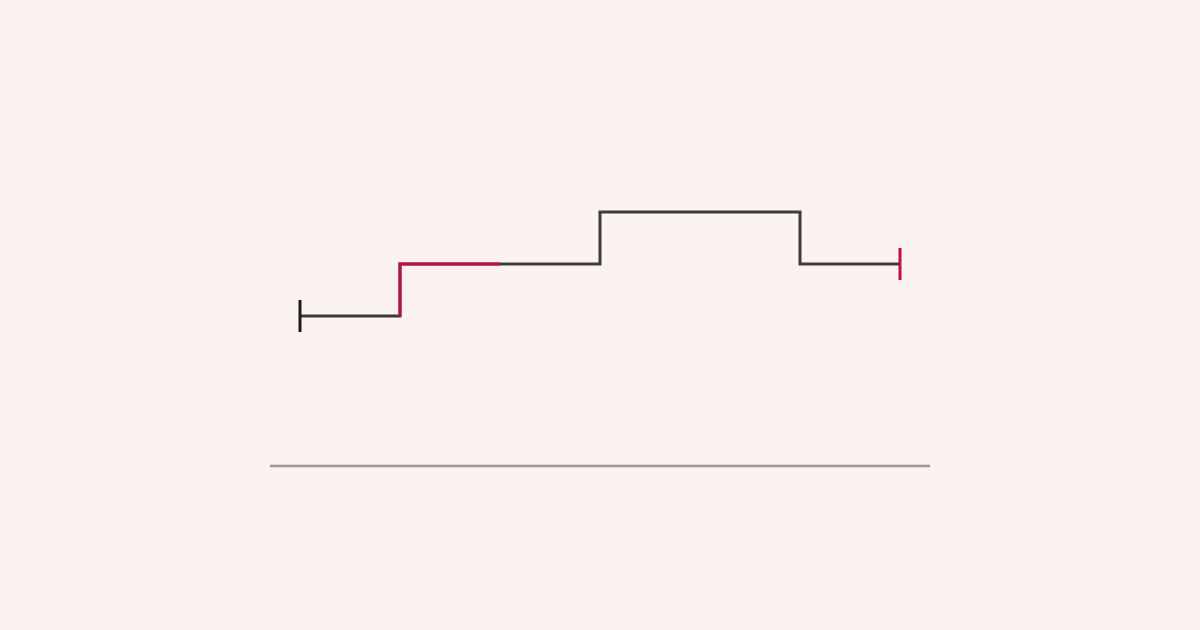
What is a good appetite suppressant? Five supplement ingredients, each with its trial's weight figure, set against the 5% prescription average.

Calocurb reviews sorted by who wrote them and who paid, from a 4.3-star brand widget to a 24-week trial, plus what a 90-capsule bottle costs per day.

How to take Calocurb: the brand's schedule, the CLINICAL label and the C4 trial protocol side by side, converted to mg of Amarasate a day.

What is Amarasate? The New Zealand bitter hop extract inside Calocurb, with each brand claim set against the four human trials we read.

Calocurb is a supplement with one 24-week, 150-person trial (4.3% vs 0.5%). Ozempic is an FDA-approved diabetes drug with a boxed warning. Side by side.

Calocurb side effects, counted: the 24-week C4 trial's withdrawals and dose cuts for diarrhea and nausea, set against the brand pages' 'rare' and 'mild'.

Yes: one 24-week placebo-controlled trial, part company-funded. Calocurb lost 4.3% vs 0.5% on placebo, a 3.8-point gap, at the label's maximum dose.
Holland and Barrett's new own-label sachet is built on a fibre complex with a real open-access human trial behind it. That trial ran 150 minutes and never weighed anybody.

A July launch release for a probiotic-and-botanical weight-management capsule puts 'Supplement Facts' in its own headline. It names three bacterial strains and nine other ingredients, and attaches a number to none of them.
Two words that can mean a rigorous trial or almost nothing at all. Here is what the phrase does not commit a brand to.